




Swing Strong: Health Tips for Women Golfers
Golf provides women with an excellent way to stay active, connect socially, and support emotional well-being. Spending hours walking the course while enjoying nature offers both physical and mental health benefits. However, post-round socialising can challenge healthy habits. As a Nutritional Therapist and Functional Medicine practitioner, Tracy Tredoux offers targeted health tips for women golfers to enhance their game and promote improved health and well-being. She considers women’s unique health needs, including hormonal fluctuations, bone health concerns, and skin protection.
Build strength and protect bones:
Women face a higher risk of osteoporosis and muscle loss with age. Golf is a low-impact, weight-bearing activity that supports bone density and muscle strength.
- Walk the course: Skip the cart when possible. Walking 5-7 miles during 18 holes strengthens the legs, core, and hips.
- Add resistance training: Incorporate strength training 2-3 times per week to maintain muscle mass and prevent bone loss.
- Warm up and stretch: Focus on stretching the hips, back, and shoulders to reduce injury risk and maintain flexibility.
- Take supplements if needed: Consider calcium, vitamin D, and collagen supplements to support bone and joint health.
Nutrition for hormonal balance:
Hormonal fluctuations from menstrual cycles, pregnancy, perimenopause, and menopause impact energy and performance. Nutrient-rich foods can help balance hormones, stabilise energy, and boost mood.
- Balance meals: Include protein, fibre and healthy fats at every meal to keep blood sugar stable and avoid energy crashes.
- Pre-round snack: Try a boiled egg with fruit or Greek yogurt with berries for sustained energy.
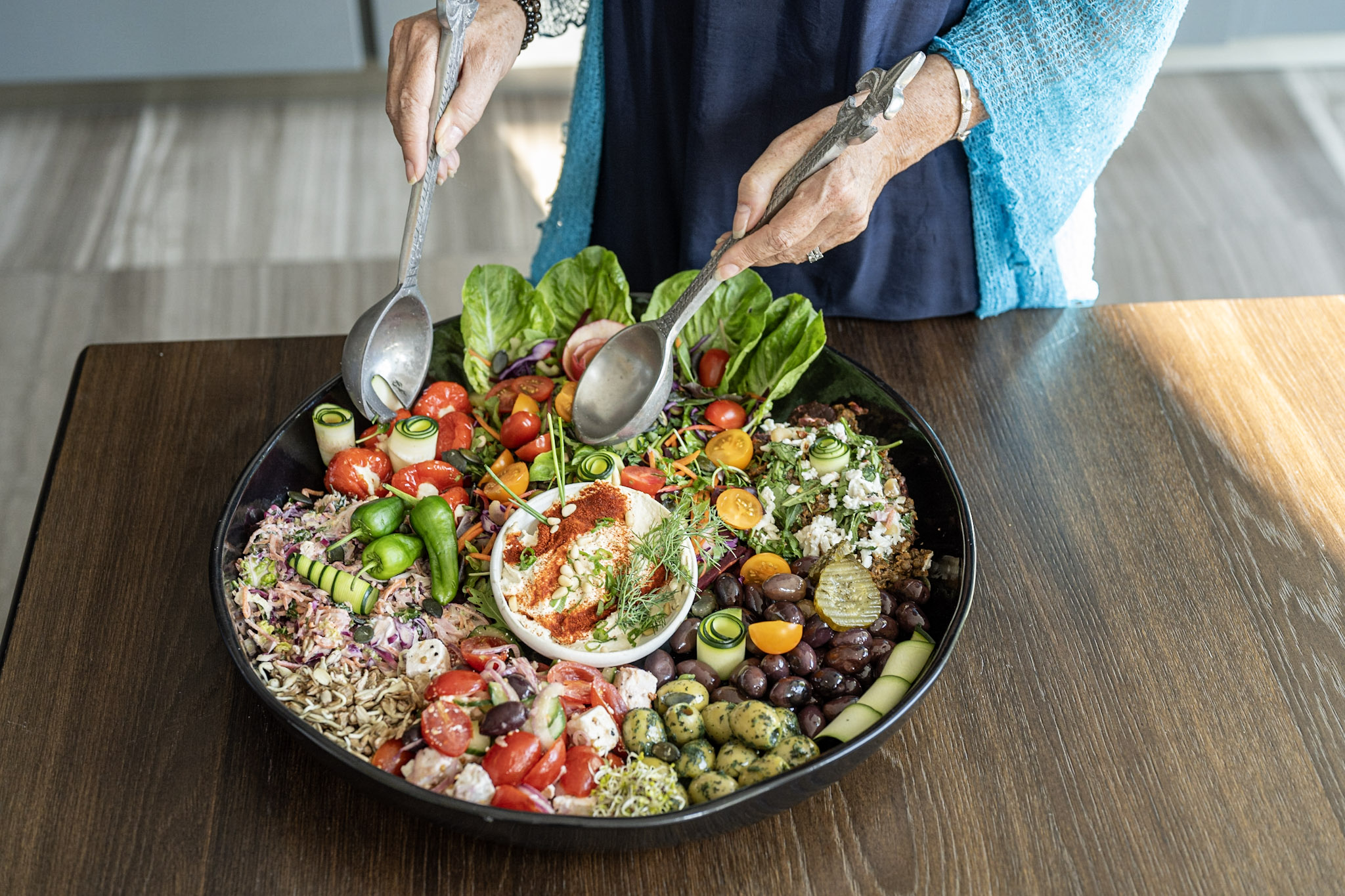
- Smart choices: Opt for grilled chicken, fish, or plant-based proteins instead of fried foods. Add a side salad or steamed veggies.
- Mind portions: Golf course portions can be large. Share meals or box leftovers when appropriate.
- Hydration tips: Choose water, herbal tea, or sparkling water with lime over sugary drinks. Alternate alcohol with water to stay hydrated.
- Include flaxseeds, avocado, nuts, and leafy greens for hormone regulation
Stress management:
Women often juggle multiple roles, making stress management essential for mental clarity and emotional balance on and off the course.
- Enjoy nature therapy: Use time on the course as a mindfulness practice, focusing on nature and the present moment.
- Social connection: Playing golf with friends can strengthen emotional bonds and reduce isolation.
- Off-course tip: Practice deep breathing exercises to manage stress between rounds.
Prioritise sleep:
Sleep disturbances, especially during perimenopause and menopause, can affect energy and recovery.
- Wind down early: Establish a calming bedtime routine and avoid screens at least an hour before sleep.
- Stay cool: Use breathable bedding and cooling fabrics if night sweats are an issue.
- Magnesium-rich foods: Incorporate spinach, nuts, seeds, and dark chocolate to support restful sleep.
Sun protection:
Women have thinner, more sensitive skin, especially post-menopause. Protect your skin while golfing outdoors.
- Use natural sunscreen: Choose mineral-based sunscreens with zinc oxide or titanium dioxide.
- Cover up smartly: Wear a wide-brimmed hat, UV-blocking sunglasses, and long-sleeved shirts with UPF protection.
By following these targeted health tips, women golfers can improve their game while promoting lifelong health and vitality on and off the course.
To learn more about how you can transform your health visit: www.tracytredoux.com
Swing Strong: Health Tips for Women Golfers
Golf provides women with an excellent way to stay active, connect socially, and support emotional well-being. Spending hours walking the course while enjoying nature offers both physical and mental health benefits. However, post-round socialising can challenge healthy habits. As a Nutritional Therapist and Functional Medicine practitioner, Tracy Tredoux offers targeted health tips for women golfers to enhance their game and promote improved health and well-being. She considers women’s unique health needs, including hormonal fluctuations, bone health concerns, and skin protection.
Build strength and protect bones
Women face a higher risk of osteoporosis and muscle loss with age. Golf is a low-impact, weight-bearing activity that supports bone density and muscle strength.
- Walk the course: Skip the cart when possible. Walking 5-7 miles during 18 holes strengthens the legs, core, and hips.
- Add resistance training: Incorporate strength training 2-3 times per week to maintain muscle mass and prevent bone loss.
- Warm up and stretch: Focus on stretching the hips, back, and shoulders to reduce injury risk and maintain flexibility.
- Take supplements if needed: Consider calcium, vitamin D, and collagen supplements to support bone and joint health.
Nutrition for hormonal balance
Hormonal fluctuations from menstrual cycles, pregnancy, perimenopause, and menopause impact energy and performance. Nutrient-rich foods can help balance hormones, stabilise energy, and boost mood.
- Balance meals: Include protein, fibre and healthy fats at every meal to keep blood sugar stable and avoid energy crashes.
- Pre-round snack: Try a boiled egg with fruit or Greek yogurt with berries for sustained energy.
- Smart choices: Opt for grilled chicken, fish, or plant-based proteins instead of fried foods. Add a side salad or steamed veggies.
- Mind portions: Golf course portions can be large. Share meals or box leftovers when appropriate.
- Hydration tips: Choose water, herbal tea, or sparkling water with lime over sugary drinks. Alternate alcohol with water to stay hydrated.
- Include flaxseeds, avocado, nuts, and leafy greens for hormone regulation
Stress Management
Women often juggle multiple roles, making stress management essential for mental clarity and emotional balance. Golf offers an ideal setting for mindfulness, allowing players to immerse themselves in nature and focus on the present moment. Playing with friends strengthens emotional bonds, reduces isolation, and creates a more enjoyable experience. Deep breathing exercises between rounds can also help maintain a calm, focused mindset.
Prioritise Sleep
Sleep disturbances, especially during perimenopause and menopause, can impact energy. To promote better sleep, establish a calming bedtime routine and avoid screens an hour before bed. For night sweats, breathable bedding and cooling fabrics improve comfort. Magnesium-rich foods like spinach, nuts, and dark chocolate support better sleep quality.
Sun Protection
Women’s skin is often thinner and more sensitive, particularly after menopause, so sun protection is essential. Mineral-based sunscreens with zinc oxide or titanium dioxide protect from harmful UV rays. In addition to sunscreen, wear protective clothing like wide-brimmed hats, UV-blocking sunglasses, and long-sleeved shirts with UPF protection to prevent sun damage.
To learn more about how you can transform your health visit: www.tracytredoux.com
June 18, 2025
Comments are closed here.